Solo Festival Travel: Safety, Camping & Meeting People
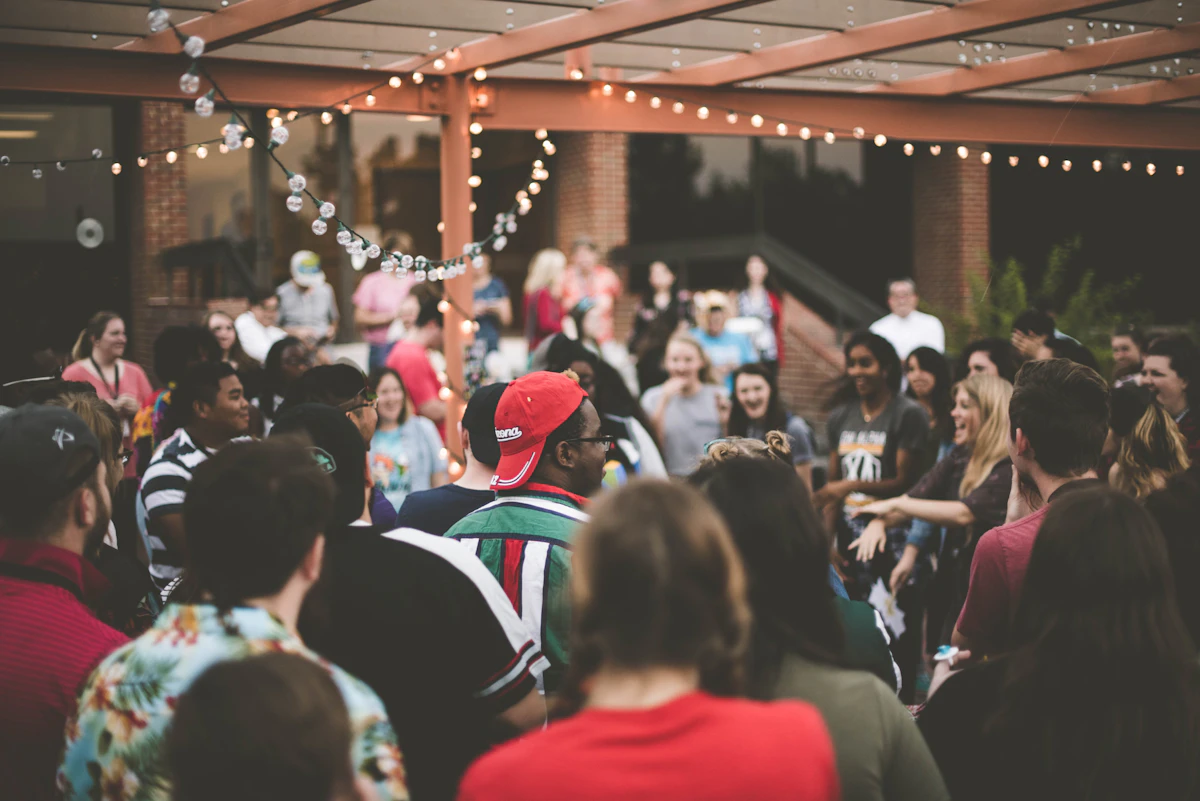
1. The Liberation of Solo Festival Travel
Attending an international festival alone is one of the most transformative experiences in modern travel. When you travel solo, you are freed from group scheduling disputes, compromise setlists, and endless searches for lost friends in 80,000-person crowds. You can roam freely, stand where you want, rest when your body signals fatigue, and discover underground artists without committee consensus.
Festival communities are among the most welcoming subcultures in the world. Solo attendees are universally embraced by campsite neighbors, fellow dancers, and international travelers eager to share stories and supplies.
2. Pre-Festival Community Groups & Solo Camps
You never have to be truly alone unless you choose to be. Before departing, tap into established solo traveler networks built around your destination event:
- Reddit & Discord Solo Groups: Subreddits like r/Tomorrowland, r/Coachella, and r/Glastonbury host vibrant dedicated solo traveler megathreads and WhatsApp / Discord groups. Attendees organize massive pre-festival meetups in host cities.
- Camp Solo / Solo Journeys: Many premier European festivals feature designated solo camping clusters (such as Tomorrowland's 'Solo Journey' tents or Glastonbury's Camp Solo) where solo travelers pitch side-by-side to create instant communal kitchens and social hubs.
- Hostel Communal Lounges: If not camping, booking a bed in a top-rated youth hostel guarantees you will meet fellow attendees heading to the festival grounds every morning.
3. Personal Safety, Drink Security & Boundaries
Traveling solo means you are your own primary safety coordinator. Practicing situational awareness prevents common travel mishaps:
Always pour or open your own beverages, and never accept open cups from strangers. Invest in a reusable silicone drink protector or cup condom that slips over your cup with a straw opening to deter opportunistic tampering.
Establish a daily check-in routine with a designated family member or trusted friend back home. Set an automated daily check-in message time (e.g., 10:00 AM local time). If you fail to check in within 3 hours, your contact knows your current itinerary, hostel address, and festival emergency numbers.
4. Pitching Camp Solo: Neighbor Etiquette
When you arrive at the campsite, introduce yourself immediately to your left and right tent neighbors. Share a cold beverage, offer to help them pitch their canopy, and exchange first names. Having friendly neighbors establishes an informal neighborhood watch: they will notice if an unfamiliar person tries to unzip your tent while you are away enjoying the headliners.
5. Designing a Low-Stress Solo Arrival & Departure Plan
The most vulnerable moments for a solo traveler are late-night arrivals in an unfamiliar city and midnight exits after the final encore. Book flights that land before 3:00 PM local time so you can purchase a local eSIM, pick up transit cards, and check into your hostel or campground in daylight. Avoid overnight bus terminals after 11:00 PM when traveling alone with luggage and festival passes.
Choose social hostels with verified female-only or mixed small dorms near official festival shuttle corridors rather than isolated budget motels on highway fringes. Hostels naturally organize pre-festival walking groups, shared airport taxis, and morning breakfast tables where solo travelers link up organically within hours of checking in.
6. Emergency Check-Ins, Offline Pins & Group Etiquette
Before entering a festival venue, share your live location or daily check-in window with one trusted friend or family member back home, including your hotel address, wristband serial number, and local emergency numbers (112 across Europe, 911 in North America, 112 in India). Drop a static pin in Google Maps Offline at your tent landmark, locker bay, and shuttle pickup bay so you never depend on mobile data to find your way back.
When joining a new festival crew on site, keep your personal independence intact: agree on a clear physical meetup landmark (for example, "left side of the soundboard tower at 9:00 PM") rather than staring at your phone waiting for texts that fail to deliver in crowded fields.
| Phase | Crucial Action | Safety Benefit |
|---|---|---|
| Pre-Departure | Share full itinerary & passport copy with ICE contact | Rapid embassy & emergency coordination if needed |
| Camp Setup | Greet surrounding tent neighbors within 10 minutes | Creates an organic deterrent against tent burglaries |
| Inside Festival | Set alarm for scheduled daily family check-in | Ensures peace of mind without constant messaging |
| Night Departure | Stick to well-lit official shuttle paths | Avoids unmonitored rural shortcuts after dark |
| Battery Mgmt | Keep 30% battery reserved exclusively for navigation | Guarantees you can call an Uber/taxi or find camp |
Frequently Asked Questions
❓ Is it weird or awkward to attend an international festival alone?
Not at all. Thousands of people attend major festivals solo every year. In fact, experienced festivalgoers often prefer solo attendance because it allows complete artistic freedom and makes it remarkably easy to join friendly groups.
❓ How do I keep my valuables secure when camping alone in a tent?
Never leave passports, laptops, or expensive electronics in your tent during the day. Rent an official onsite festival locker equipped with charging ports. If an item must stay in your tent, keep it buried inside your sleeping bag while you sleep.
❓ What should I do if I feel overwhelmed or anxious at a festival?
Head straight to the festival's 'Welfare' or 'Harm Reduction' tent (e.g., PsyCare or Green Angels). These spaces are staffed by trained volunteers who provide quiet, comfortable resting spaces, warm tea, and calming support with zero judgment.